

If you’ve ever sourced tropical fruits or husked coconuts for export, wholesale, or large-scale distribution, you already know this truth: not all suppliers are the same. On paper, many look similar. In reality, the difference shows up in quality, consistency, packaging, and how smoothly the entire process runs.
As someone who works closely with businesses in food trading and export markets, I’ve seen deals succeed and fail simply because the supplier choice was right—or wrong. That’s why working with reliable tropical fruit suppliers and premium husked coconut exporters isn’t just a preference; it’s a business need.
In this guide, I’ll break down what truly matters when choosing a supplier, share real-world insights, and explain how Patel Global Industries supports buyers who want quality without surprises.
What Sets Professional Tropical Fruit Suppliers Apart
A professional tropical fruit supplier does more than ship produce. They manage freshness, timing, and trust.
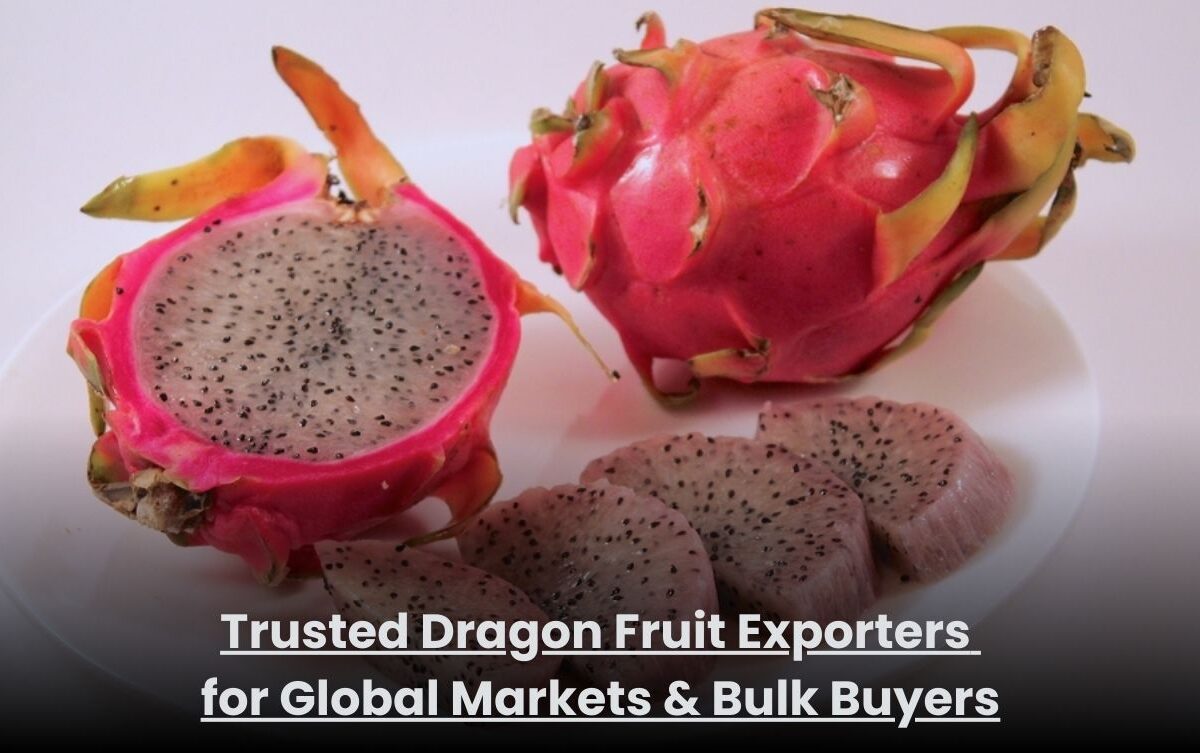
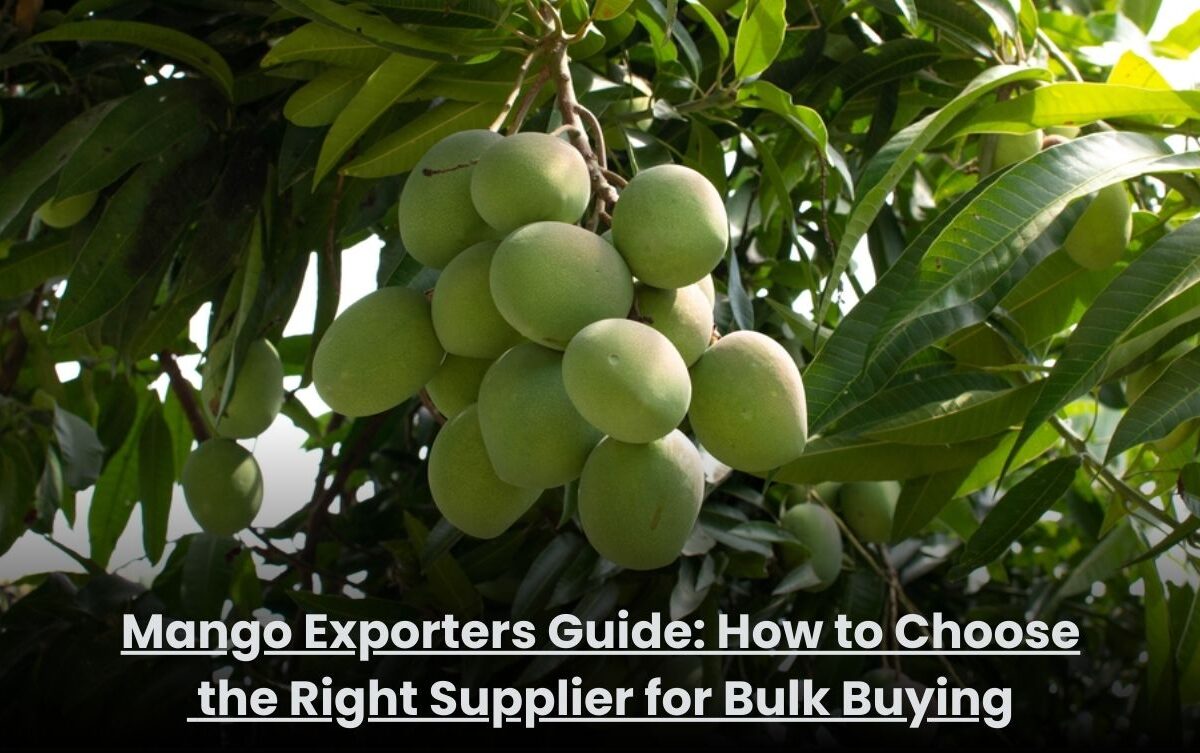
From mangoes and pineapples to pomegranates and coconuts, tropical fruits demand careful handling. Temperature control, harvest timing, and packing methods all play a role. A single mistake can reduce shelf life and affect taste.
Reliable suppliers:
- Work directly with farmers
- Follow proper grading standards
- Use export-safe packaging
- Maintain consistent supply volumes
This consistency helps importers and distributors plan ahead without worrying about last-minute quality issues.
Why Premium Husked Coconut Exporters Are in High Demand
Husked coconuts are popular across food processing, retail, hospitality, and international trade. But premium quality doesn’t happen by accident.
Experienced exporters understand:
- Proper de-husking without shell damage
- Moisture control to avoid spoilage
- Clean, uniform sizing
- Compliance with export regulations
Premium husked coconut exporters focus on freshness and presentation, because buyers notice both. When coconuts arrive clean, well-packed, and uniform, they move faster in the market and reduce handling losses.
Quality Control: The Backbone of Global Fruit Export
One thing I’ve noticed after working with multiple exporters is that quality control separates long-term suppliers from short-term sellers.
Good exporters check produce at every stage:
- Farm-level inspection
- Sorting and grading
- Packing supervision
- Pre-shipment checks
This approach prevents issues before the shipment even leaves the port. For buyers, it means fewer complaints, less waste, and stronger relationships with their own customers.
Companies like Patel Global Industries take this seriously because export quality directly impacts brand reputation in global markets.
Packaging and Logistics: More Important Than Most People Realize
You can grow the best fruit, but poor packaging can ruin everything.
Export-grade packaging protects produce from:
- Moisture
- Impact during transit
- Temperature changes
For tropical fruit suppliers and premium husked coconut exporters, packaging is part of the product. Strong cartons, breathable materials, and correct labeling help shipments arrive in sale-ready condition.
Equally important is logistics coordination—choosing the right shipping method, managing timelines, and ensuring smooth customs clearance. This reduces delays and unexpected costs.
Real Buyer Insight: What Importers Actually Want
Here’s something buyers rarely say out loud but always think: “I want a supplier who makes my job easier.”
That means:
- Clear communication
- Honest pricing
- On-time delivery
- Consistent product quality
I’ve seen importers stay with the same supplier for years simply because there were no surprises. When working with tropical fruit suppliers like Patel Global Industries, buyers value transparency just as much as product quality.
You can learn more about their export range and sourcing approach directly on their official site:
How Patel Global Industries Supports Global Buyers
Patel Global Industries works as both a supplier and a long-term trade partner. Their focus is not only on supplying tropical fruits and husked coconuts but also on building trust with international buyers.
What stands out:
- Strong sourcing network
- Export-ready quality standards
- Clear documentation support
- Flexible order handling
For buyers in competitive markets, this kind of support helps reduce risk and improve resale margins. It’s one of the reasons they are recognized among dependable tropical fruit suppliers and premium husked coconut exporters.
You can review their product offerings and export details here:
Conclusion: Choose Suppliers Who Support Your Growth
Sourcing tropical fruits and husked coconuts isn’t just about buying produce—it’s about building a supply chain you can trust. The right supplier helps protect your reputation, meet customer expectations, and grow your business smoothly.
By working with experienced tropical fruit suppliers and premium husked coconut exporters, you reduce uncertainty and gain a partner who understands global trade demands. If quality, consistency, and honest communication matter to you, choosing the right exporter will always pay off in the long run.
FAQs
1. What should I look for in tropical fruit suppliers?
Look for consistent quality, proper packaging, export experience, and clear communication. Reliable suppliers follow grading standards and manage logistics carefully.
2. Why are husked coconuts preferred for export?
Husked coconuts take up less space, are easier to handle, and meet many import regulations, making them ideal for international trade.
3. How do premium husked coconut exporters ensure freshness?
They focus on proper de-husking, moisture control, clean packing, and timely shipping to maintain freshness during transit.
4. Can tropical fruits be supplied year-round?
Yes, experienced suppliers manage seasonal sourcing and storage planning to ensure steady availability throughout the year.
5. Does Patel Global Industries support bulk and repeat orders?
Yes, they work with bulk buyers and repeat importers, offering consistent supply and export support for long-term business needs.